
"The Moolah and Authorize.Net combination has delivered exemplary service and support for our e-commerce needs since the beginning."
- Adam, adamspolishes.com

Enable payments on your website or app, ranging from simple "Buy Now" and "Donate" buttons to fully integrated, highly customizable APIs. Join hundreds of thousands of merchants and developers who have already implemented these proven APIs.
Get StartedGive your customers the convenience of paying securely online by credit card or Apple Pay, all included with your free Authorize.Net payment gateway.
Get Started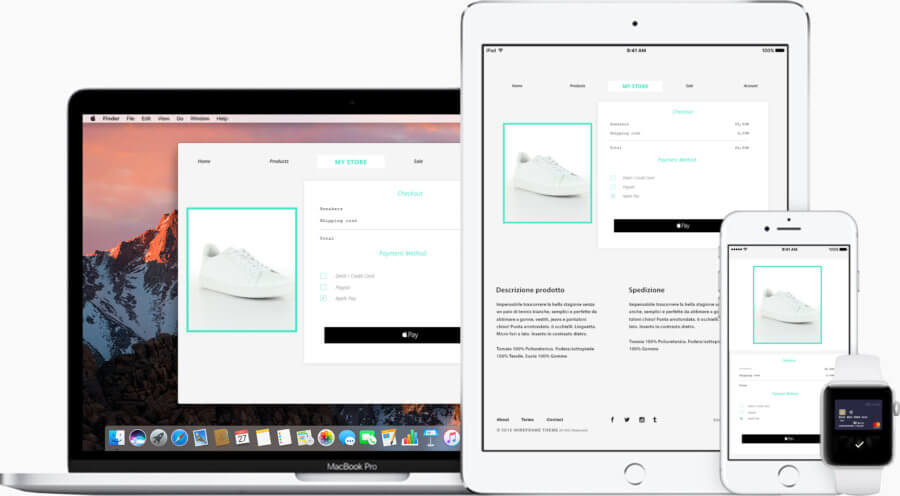
The Virtual Terminal and Batch Upload features of the Merchant Interface allow you to enter and upload individual and batch transactions.
Automated Recurring Billing™ (ARB) is a convenient and easy-to-use tool for submitting and managing recurring, or subscription-based, transactions.
Request payments from customers by sending them an invoice. Customers receive the invoice by email and click a link to view and pay.
Identify, manage and prevent suspicious and potentially costly fraudulent transactions with our exclusive customizable, rules-based Advanced Fraud Detection Suite™ (AFDS).

Your Moolah account works with hundreds of third-party applications, here are a few of our favorites.











We have a payments API that does what you need it to do. Get started in minutes with Authorize.Net's flexible, secure, and easily integrated payment solution.

We've had an excellent experience with Moolah! The platform is intuitive, reliable, and has made our payment processing smoother than ever. Their support team is responsive and genuinely helpful, always quick to assist when we have questions or need guidance. Moolah has made it easier for our patients to pay in a way that works for them, and it’s streamlined our internal workflows at the same time. We highly recommend Moolah to any dental office looking for a modern, patient-friendly payment solution!Shreveport Dental Solutions
I’ve had an awesome experience with Moolah! From the moment we connected at AADOM, their team has been professional, responsive, and incredibly knowledgeable. They took the time to understand our office’s goals and provided clear, helpful guidance that has truly made a difference. I highly recommend Moolah to any practice looking for an easy-to-integrate solution for processing payments, managing payment plans, and handling discount plans. It works seamlessly with our Open Dental system and has made our workflow much more efficient.Wark Dental Group
Moolah is one of the best companies I have worked with! It integrates really well with other software, and is so great for our membership platform. I just learned about being able to add merchant fees, which is really convenient. They will help you with the whole process and make all payments on the Moolah platform. The other great thing about Moolah, is the customer service. If I have little questions or certain questions I need answered fast , they are available to chat and answer so quickly! They have helped me with lots of problems, and always follow back up to make sure I got it figured out. Highly Recommend Moolah!Layton Family Dental
Easy to use with every capability and seamless integration with Open Dental. I used that one that was more directly integrated (am I allowed to name names? Lookin at you, PayConnect) and was FAR inferior. What an upgrade!Midtown Pediatric Dentistry
Moolah's easy to use interface and seamless integration with Open Dental reduced significant amount of time, reduced operational risk and ensured that payments are collected with ease. Patients are happy that they do not worry about paper receipts as the email receipt always go out. Really happy with the support team. Always available. It's been a joy to bring Moolah in our practice.Arden Mill Family Dentistry
Since changing to Moolah life has been so much easier!! Checking patients out is fast easy and friendly for everyone involved. We also do billing through Moolah with faster payments from the patients. It really has been such a difference in the office since changing over to them and such a money saver for the practice as well. You don't even have to worry about a bill it is automatically deducted each time it is deposited into the bank. EASY EASY EASY. Recommend them to any offices wanting to change.Danica Dental House
Moolah is incredibly user friendly! Quick and easy...offering seamless transactions. Highly recommend in any office setting...Coronado Dental Associates
We highly recommend Moolah to other dental practices and businesses since we have been very happy with their services right from customer support, patient eligibilty and seamless transactions online. We would love others to give Moolah a chance of trying them out as you will never leave them once you check what standards the company is built on.Nimmi Shine Dental
When it comes to payments and seamless use with opendental... moolah is the BEST option. If I were you, I would not waste time and sign up with Moolah. You will not regret this decision. A+++Modern Smile Dentistry
Moolah has always been easy to use—its terminals integrate seamlessly with their website and work smoothly with our practice management software. What I appreciate most about Moolah is their outstanding customer service and quick response time. Their team is knowledgeable, supportive, and always ready to help. I would definitely recommend Moolah to other practices!Lady Bird Dental
A long-time colleague recommended Moolah, knowing how particular I am about merchant services and their integration with our patient-management software(Dentrix). Switching to Moolah is one of the best decisions our business has made! The integration is seamless, the system is highly efficient, and even our patients frequently comment on how sleek and modern the card reader looks. Moolah's system also fixed and exceeded expections on a number of issues that our previous merchant services had! Their customer support is exceptional—responsive, helpful, and always available. I’ve already recommended Moolah to another dentist and look forward to sharing our positive experience with more businesses. Cannot recommend Moolah highly enough!Austin Dental Works
Our online application only takes minutes. If you have questions, please contact us at 800-625-1670.
Get Started
Thank you for scheduling. If you have any questions, please contact us at 800-625-1670.
A credit card surcharge is an additional fee added to a transaction when a patient chooses to pay with a credit card. The surcharge is intended to help offset the cost of credit card processing and applies only to eligible credit card transactions.
No. Debit card transactions may not be surcharged under any circumstances, even if the debit card is processed as a credit transaction or entered manually.
Yes. Credit card surcharges may not exceed the merchant’s actual cost of accepting credit cards and are capped at a maximum of 3% of the total transaction amount, in accordance with card-network rules and applicable law.
Yes. Card networks require clear and transparent disclosure of any credit card surcharge. Practices must notify patients through appropriate signage at the practice entrance, point of sale, and anywhere payments are accepted. If payments are accepted online, the surcharge must also be clearly disclosed on the practice’s website.
Yes. Some U.S. states and territories prohibit or restrict credit card surcharging. Practices are responsible for understanding and complying with their state’s specific requirements before implementing a surcharge.
No. While Moolah provides tools and general guidance to support credit card surcharging, compliance with all applicable laws and card-network rules is the responsibility of the merchant. Moolah does not provide legal advice and assumes no liability for a merchant’s compliance.
Most major credit card networks permit surcharging when done in accordance with their rules, but additional requirements or restrictions may apply. Practices should ensure they have completed all required network notifications and disclosures prior to enabling surcharging.
Failure to comply with surcharging rules may result in card-network fines, required refunds, or other enforcement actions. Practices should ensure they fully understand all applicable requirements before applying a surcharge.
Flex does not currently offer built-in support for credit card surcharging. If a practice chooses to enroll in a surcharge plan, payments would need to be processed through Moolah’s payment platform, which is designed to support surcharging and integrates directly with Open Dental.
If you are considering introducing a credit card surcharge for your patients, it is important to understand that there are specific rules and regulations that must be followed when enrolling in and operating under a surcharge plan.
This article provides a general overview of common surcharging requirements. This content is provided for informational purposes only and does not constitute legal advice. It is the responsibility of each merchant to review, understand, and comply with all applicable laws, card-network rules, and regulatory requirements, including notification timeframes, signage requirements, surcharge percentage limits, and jurisdictions where surcharging is prohibited.
If you are unsure about the laws or regulations applicable to your practice, you should consult with qualified legal counsel. Moolah assumes no liability for a merchant’s compliance or non-compliance with credit card surcharging rules or regulations.
Transparent Communication
Card networks, including Visa, Mastercard, Discover, and American Express, require merchants to clearly and transparently disclose when a credit card surcharge is applied.
Practices must clearly notify patients of a credit card surcharge through appropriate signage placed at the practice entrance, at the point of sale or terminal, and anywhere payments are accepted. If payments are accepted online, surcharge disclosures must also be clearly visible on the practice’s website. All disclosures must inform patients that the surcharge applies only to credit card transactions.
Surcharge Limits
Credit card surcharges must comply with both card-network rules and applicable law. The surcharge amount may not exceed the merchant’s actual cost of accepting credit cards and may not exceed 3% of the total transaction amount.
Card-network rules cap credit card surcharges at 3%, meaning that if a merchant’s processing costs exceed this amount, the excess portion cannot be passed on to the patient.
Network and State Restrictions
The major credit card networks, such as Visa and Mastercard, impose specific requirements related to surcharge limits, advance notification, and disclosure.
In addition, several U.S. states and territories regulate or prohibit credit card surcharging. At the time of writing, credit card surcharging is prohibited in Connecticut, Maine, Massachusetts, and Puerto Rico. Other states, including Colorado, Minnesota, Mississippi, New Jersey, and New York, impose restrictions on surcharge amounts or require specific disclosures.
If your practice operates in a state that restricts or prohibits credit card surcharging, you must fully understand and comply with those requirements before implementing a surcharge.
Debit card transactions may never be surcharged, even if the debit card is processed as a credit transaction.
Applicability
Credit card surcharges may be applied only to credit card transactions. Other payment types, including debit cards and alternative payment methods, are not eligible for surcharging.
Regulatory Compliance
Merchants are responsible for maintaining ongoing compliance with all applicable card-network and legal requirements. This includes meeting advance notification obligations, using compliant signage and disclosures, adhering to surcharge percentage limits, and respecting jurisdiction-specific restrictions.
By following these guidelines, dental practices can implement credit card surcharging in a way that aligns with card-network rules and promotes transparency with patients. Clear and upfront communication helps maintain patient trust and supports a positive payment experience.